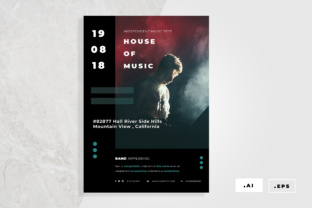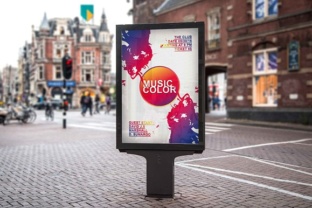
Music Flyers: Simple Tools for Sharing Sound
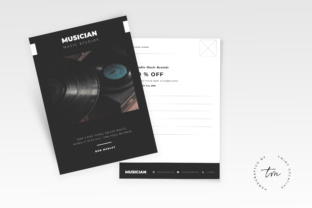
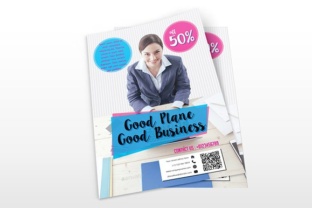
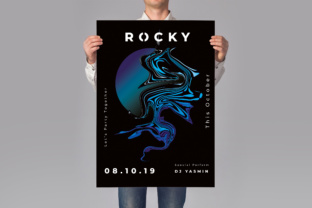
Music Flyers are lightweight, visual tools designed to promote music—whether it’s a new single, live show, album release, or studio session—in a clear, eye-catching way. Think of them as digital or printed “sound snapshots”: concise, shareable, and built to spark interest without overwhelming the viewer. They’re not full websites or complex marketing suites—they’re focused, flexible, and purpose-built for moments when you need to say *what’s happening*, *when*, and *why someone should care*—all in one glance.
What Makes Music Flyers Work So Well?
At their core, Music Flyers balance simplicity with intentionality. A well-crafted flyer includes just enough detail—artist name, track or event title, date/time, location or streaming link, and a compelling visual—to guide attention and support action. They’re often designed with mobile viewing in mind, so readability matters more than decoration. Unlike dense press kits or long-form bios, Music Flyers respect people’s time while still conveying personality and energy.
They’re also highly adaptable. You might use one as a social media post, an email header, a physical handout at a local café, or even a QR-code-linked poster outside a venue. Because they’re modular by nature, creators can update dates, links, or artwork quickly—no redesign needed. That flexibility is why small bands, indie podcasters, music teachers, and festival organizers all reach for Music Flyers when they need clarity and consistency across touchpoints.
Real-Life Uses You’ll Recognize
Imagine a high school choir teacher sharing a spring concert flyer via parent email and the school’s Instagram story—same design, different platforms, same message. Or a solo producer launching a limited vinyl run: a Music Flyer with a bold cover image, pre-order deadline, and Bandcamp link helps fans act fast without scrolling through paragraphs.
Freelance sound designers use them to highlight new sample packs—pairing a sleek waveform graphic with download instructions and a short testimonial. Local DJs drop flyers ahead of monthly residencies at neighborhood bars, embedding Spotify previews directly into the image. Even educators creating classroom playlists for music appreciation units find Music Flyers helpful: one per composer or era, with listening prompts and historical context in digestible chunks.
What ties these examples together isn’t just aesthetics—it’s intent. Each flyer answers three quiet questions before the viewer even scrolls: Who made this?, What am I being invited to experience?, and How do I join in?
Why People Choose Music Flyers Over Other Options
Many start with spreadsheets, Word docs, or hastily cropped screenshots—and quickly hit limits. Those formats don’t travel well across devices, lack visual hierarchy, and rarely encourage sharing. Music Flyers solve that by centering what matters most: the music and the moment around it.
They also lower the barrier to professional presentation. You don’t need design experience to make something effective—just a clear goal and basic awareness of contrast, spacing, and legibility. Many creators begin with free templates, swap in their own photos or album art, adjust fonts for tone (playful vs. polished), and export in seconds. That speed builds momentum: instead of waiting for “perfect,” you get real feedback, test messaging, and refine as you go.
For entrepreneurs and small studios, Music Flyers also support trust-building. A consistent look across releases—even if it’s just matching colors and typeface—signals care and continuity. Fans begin to recognize your style before they read your name. That subtle branding adds up over time, especially in crowded digital spaces where attention is fleeting.
Getting Started Without Overthinking It
If you're new to Music Flyers, start small. Pick one upcoming thing—a SoundCloud upload, a house concert, a workshop sign-up—and build just one flyer around it. Use tools you already know: Canva, Google Slides, or even PowerPoint work beautifully. Focus first on contrast (dark text on light background, or vice versa), readable fonts (avoid overly decorative ones for body text), and generous white space. Your eye should land on the artist or event name first, then the key detail (date, link, or call-to-action), then supporting info.
Avoid cramming too much in. No one memorizes five track names or three bios mid-scroll. Instead, choose one anchor: “New EP out Friday” or “Join us for a live loop session.” Let that drive the design. If you’re sharing digitally, add a subtle QR code linking to your latest release—no typing required. For print, double-check resolution (300 DPI minimum) and bleed settings if sending to a printer.
Things to Keep in Mind Before You Dive In
Not every flyer needs to be unique—but consistency helps. If you plan to use Music Flyers regularly, spend 20 minutes sketching out a simple brand palette: two primary colors, one clean font for headings, one readable font for details. Save it somewhere easy to access. You’ll save hours later.
Also consider accessibility. Light gray text on white backgrounds may look sleek but fails many readers. Try checking contrast ratios with free online tools. And always include alt text if posting images online—describe the content, not just “music flyer.”
Finally, remember that a Music Flyer isn’t meant to replace deeper engagement—it’s the friendly wave that invites someone closer. Pair it with genuine interaction: reply to comments, follow up on sign-ups, or add a personal note when emailing it to collaborators. The design opens the door; your authenticity keeps people walking through.
Where Music Flyers Fit Into Bigger Creative Habits
Over time, Music Flyers become part of a rhythm—not just for promotion, but for reflection. Creating one forces you to clarify your message. Updating one helps you track growth: compare last year’s gig flyer to this year’s, and you’ll see shifts in confidence, audience, or creative direction. Teachers use them to map curriculum pacing. Bloggers embed them in roundup posts to spotlight emerging artists. Even hobbyists designing flyers for backyard karaoke nights discover how much thought goes into making joy feel intentional.
They’re not flashy. They won’t go viral on their own. But done well, Music Flyers quietly strengthen connection—one shared link, one handed-out card, one reposted story at a time.